

THE HOMILY OF THE PRIME BISHOP AT THE CELEBRATION OF THE 28TH YEAR OF IFI-ECP CONCORDAT
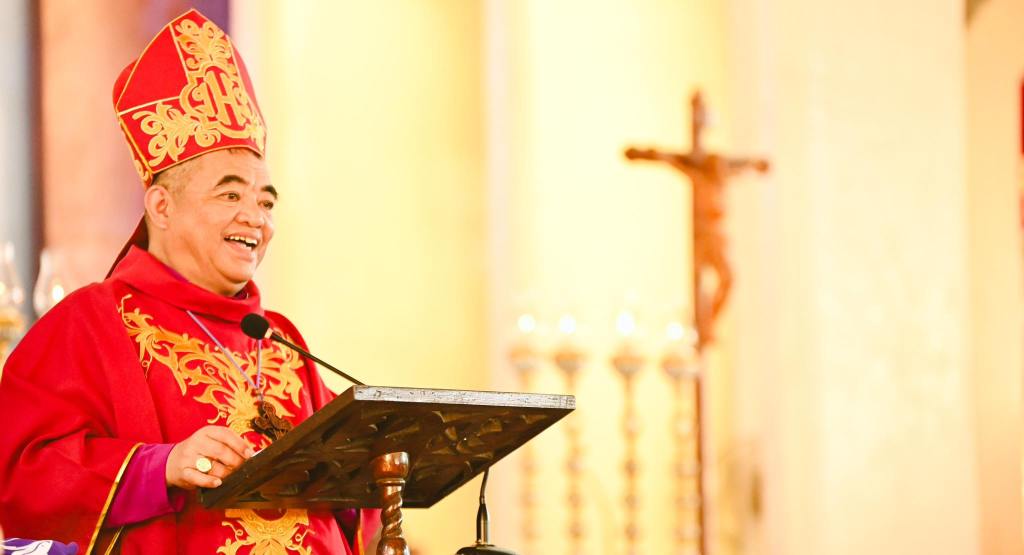
Photo taken by IFI Cathedral of St. Michael the Archangel
Ang Matagumpay na Pagpasok o sa English, The Triumphal Entry.
Taos pusong pasasalamat sa ating mga kapatid dito Bacoor, lalong-lalo na dito sa Cathedral of St. Michael, sa mainit at pinagpalang pagtanggap sa atin ngayong umaga. Masasabi po natin na ang nangyari ngayong umaga ay isang Matagumpay na Pagpasok o Triumphal Entry ng IFI-ECP Concordat dito sa Bacoor. Sa diwa ng isang matagumpay na pagpasok, magyari po lamang na batiin natin ang ating katabi ng, “Maligayang araw ng Concordat! o Happy Condordat Day!”
Ang Matagumpay na Pagpasok ng ating Panginoon Hesu Cristo sa Jerusalem ang atin pong ebanghelyo ngayong umaga. This Triumphal Entry is what we celebrate on Palm Sunday but it is also appropriate that it is the focus of our Eucharistic celebration even on other days, such as what we are doing now, because of its edifying lessons that we need to be continually reminded about.
Sa ating ebanghelyo, nakarating sina Hesus sa bayan ng Bethpage at Bethania at ng papalapit na sila sa Jerusalem ay pinauna ni Jesus ang dalawa sa kanyang mga alagad at sinabi sa kanila, “Pumunta kayo sa susunod na nayon. Pagpasok na pagpasok, makikita ninyo ang isang batang asno na hindi pa nasasakyan ninuman. Kalagan ninyo iyon at dalhin dito. Kapag may nagtanong kung bakit ninyo kinakalagan iyon, sabihin ninyong iyon ay kailangan ng Panginoon at ibabalik din niya agad.”
Kaya’t lumakad ang dalawang alagad at nakita nga nila ang batang asno sa tabi ng daan, nakatali ito sa may pinto ng isang bahay. Nang kinakalagan na nila ang hayop, 5 tinanong sila ng ilang nakatayo roon, “Bakit ninyo kinakalagan iyan?”
Sumagot sila gaya ng bilin ni Jesus, at hinayaan na silang umalis. Dinala nila kay Jesus ang batang asno. Matapos isapin sa likod nito ang kanilang mga balabal ay sumakay si Jesus. Marami ang naglatag ng kanilang mga balabal sa daan, samantalang ang iba nama’y pumutol ng madahong sanga ng kahoy at iyon ang kanilang inilatag sa daan. Ang mga tao sa unahan at sa hulihan ni Jesus ay sumisigaw ng ganito, “Purihin ang Diyos! Pinagpala ang dumarating sa pangalan ng Panginoon! 10 Pagpalain ang malapit nang itatatag na kaharian ng ating amang si David! Purihin ang Panginoon sa Kataas-taasan!”
Matatandaan po natin na ang ebanghelyo natin ngayon ay nangyari sa Kapistahan ng Passover kaya napakaraming tao sa Jerusalem. Ang Passover po ay pagdiriwang ng mga Israelita sa pagligtas sa kanila ng Panginoong Diyos sa Ehipto. Pinagdiriwang ang kapistahan sa pamamagitan ng pagpunta sa templo sa Jerusalem upang mag alay ng hain.
Because the Feast of the Passover was the celebration of God’s deliverance of Israel from Egypt, religious fervor and zeal always ran very high around an expectation of the coming of the Messiah to again deliver them from the oppression and captivity of their times.
By then, the news of Jesus’ teachings and miracles and especially the raising of Lazarus from the grave have reached rock star fame and multitudes were crowding around him and following him. A conjecture that he was the Messiah was taking solid ground and was spreading like wildfire. It was in this explosive situation with around three million people highly expectant of the Messiah’s impending arrival that Jesus proclaimed and confirmed that he indeed was whom the world and everyone had been waiting for.
How did he do this?
Jesus entered the city riding on a colt. We know that in his entire public ministry, Jesus walked long stretches around Galilee and Judea and had never been recorded as riding on any animal. Was he so tired when he entered Jerusalem in our Gospel passage that he had to ride on a colt?
Jesus’ riding on the colt was one significant way by which he confirmed his Lordship. It was a practice during that time that when a king or a victorious military leader entered a city, he would be riding on a horse as the symbol of his authority and victory. By entering Jerusalem riding on a colt, Jesus proclaimed himself to be the Messiah and upon his entry, the multitudes erupted in a wild frenzy of jubiliation. As our Gospel says, they spread their cloaks on the road, while others spread palms and branches they had cut in the fields. Those who went ahead and those who followed shouted,
“Hosanna!
“Blessed is he who comes in the name of the Lord!”[b]
10 “Blessed is the coming kingdom of our father David!”
“Hosanna in the highest heaven!”
The joyous expression Hosanna is now being used as a declaration of praise, similar to Halleluia. It’s origin however was that it was a plea for salvation. When a person was in danger of death such as one drowning in deep waters, he or she would shout Hosanna to call for help and salvation. So, as Jesus was riding along the road, the crowds were shouting, Hosanna, Hosanna, meaning “Save us! Save us!”
There is a joke that the millions of people in Jerusalem at that time believed that with Jesus as the Messiah, the Roman empire and its legions would easily crumble in defeat. This was because Jesus can mobilize 5,000 armies and feed them with only three loaves and two fishes. Whenever any of his soldier was wounded and was crippled or blinded, Jesus shall easily heal them and whenever a soldier died, he would raise the dead back to life.
As long as Jesus conformed to the expectation of salvation and freedom from Roman oppression, the crowd would receive Him with shouts of jubilation. As long as He fulfilled their expectation, they would follow Him. After a few days, however, this same multitude would be shouting a different refrain “Crucify Him! Crucify Him” Because their expectation of salvation was not what Jesus the Messiah had actually brought and proclaimed.
Dito ngayon pumapasok ang mga pahayag o pagtuturo na si Hesus ay dumating upang iligtas ang tao sa kasalanan at hindi sa pang-aapi ng mga Romans na dinadanas ng mga tao noong panahon na iyon. Dito pumapasok ang mga pahayag o pagtuturo na si Hesus ay pumarito sa mundo hindi upang ibagsak ang Roman Empire kundi magtatag ng kaniyang kaharian na mangyayari sa pagkamatay ng isang tao.
Tama po na ang ating Panginoong Hesu Kristo ay dumating upang iligtas tayo sa kasalanan. Pero ang oppression po o ang pang aapi ng isang tao sa kanyang kapwa ay bunga ng kasalanan. Ang kahirapang dinanadas ng mga Israelita sa kamay ng mga Romans ay bunga ng isang sistema na nakabatay sa masamang kaisipan at gawain. Dumating po ang ating Panginoong Hesu Cristo upang iligtas tayo sa mga bunga ng kasalanan na mga ito, upang iligtas tayo sa pang-aapi at pag papahirap sa kapwa.
Dumating po ang ating Panginoon para ibagsak ang Roman Empire at ano mang sistema ng kasamaan na ginawa ng tao para sirain ang kapwa at ang mga nilalang ng Diyos. Our Lord Jesus Christ came to bring down the Roman Empire and all empires and systems in this world that destroy humanity and all God’s creation.
Ang hindi lang naintindihan ng mga tao na nagbigay pugay kay Hesus noong matagumpay na pumasok sya sa Jerusalem ay ang paraan ng pagbagsak ng Roman Empire at lahat ng kasama-an sa mundo. Hindi po nila naitindihan na ang pamamaraan ng ating Panginoon ay hindi sa pamamagitan ng pananakop ng militar, hindi sa pamamagitan ng digma-an o giyera.
Bagkus, ang pamamaraan ng ating Panginoong Hesu Cristo ay sa pamamagitan ng pag-ibig. In the words of former Presiding Bishop Michael Curry of The Episcopal Church, the Kingdom of God is established through the Way of Love. Because God is Love.
Sa ating bansang Pilipinas sa ngayon, hindi po ba napaka daling isipin, is it not very easy to think, na kung lahat ng tao ay sumusunod sa kautusan ng ating Panginoo at nag-iibigan ay mawawala ang patayan at mawawala ang pang-aapi sa kapwa? Hindi po ba napakadaling isipin na kung lahat ng tao ay nag-iibigan ay mawawala ang paglunod ng iilan sa limpak limpak na kayamanan habang ang karamihang mga tao ay namamatay o naghihirap sa kagutoman?
Ang pamamaraan ng ating Panginoong Hesu Cristo ay naipakita niya noong siya ay pumasok sa Jerusalem na nakasakay sa isang batang donkey na simbulo ng kapayapaan at pagka mababang loob at hindi sa isang kabayo na gamit sa pandigma.
Jesus’ triumphal entry in Jerusalem was foretold by the prophets of old. In Zechariah 9:9, the prophecy reads as follows: “Rejoice greatly, O daughter of Zion; shout, O daughter of Jerusalem: behold, your king coming unto you; he is just, and having salvation; lowly, and riding upon a donkey, even upon a colt, the foal of a donkey”
Sinabi na po ni propeta Zechariah na ang darating na tagapagligtas ay isang lowly o mababa lamang. Yan ang kaibhan ng kaharian ng ating Panginoong Diyos sa maka-lupang kaharian. Ang ating Panginoong Hesu Cristo ay nasa pinakamababa at ang kanyang pamamaraan ay ang kanyang pag tulak sa lahat ng nilalang para tayo ay umangat sa kaharian ng Diyos. Kasalungat po ito sa mga maka-lupang hari na ang pamamaraan nila ay ang pag upo sa kaita-asan at yapakan ang lahat para sumunod sa kanilang kagustuhan.
Our Lord Jesus Christ was lowly, thriving in the lowest level of creation so that he will lift everyone up into the Kingdom of God. Unlike earthly kings who ascend to their thrones only by stepping on everyone.
Ang mga turo ng ating Panginoong Hesu Kristo ay napaka daling maintindihan. At ang pinaka mahalaga ay hindi lang niya basta binibigkas ang mga turong ito. Ang paraan ng pag-ibig ay siya mismong kanyang ginawa at ipinakita. Noong gabi ng Huling Hapunan pagkatapos nilang kumain, Jesus knelt down on the floor and washed his disciples’ feet. Ito ang pamamaraan ng pag-ibig na itinuro ng ating Panginoon. Ang aral na kanyang itinuro sa pamamagitan ng pag-gawa ay tayong mga Kristiyano ay dapat lumuhod at magsilbi sa ating mga kapwa. Katulad ng kanyang ginawa, tayo ay dapat magpakumbaba para maitulak natin ang isa’t isa pataas sa kaharian ng Diyos.
The ultimate salvation is that Jesus died on the cross so that all of humanity will have life. He went into the lowest depths in order that we may have life. Siya po ay namatay upang tayong lahat ay mabigyan ng bagong buhay. Ito ang pinaka mataas na pagpapakita ng pamamaraan ng pag-ibig. Itinuturo nito na tayong lahat ay dapat ding mamatay sa ating mga comfort zones upang ang kapwa natin ay magkaroon din ng bagong buhay.
But while God’s desire for us to love one another in the way that our Lord Jesus Christ loved and died for us is very clear and simple, it is a challenge to actually realize and institutionalize this teaching within the complexities and realities of our time. In our country which is supposed to be the only Christian Country in Asia aside from East Timor, we have the 3rd highest murder rate in Asia, we rank 115 among 180 countries in terms of corruption, we rank 15 among 63 countries in terms of inequaity, are these what we should expect from a Christian nation? These very sad realities are not ordained by God and so they can only arise of out sinfulness. If we gauge these realities upon Christian moral standards, the situation is so bad that no church can claim to have considerable success in wiping out these results of sinfulness.
God’s mission to build the Kingdom of God amidst these realities is just too huge for any Christian church. That is why it is not only desirable but necessary for all Christian churches to come together and help each other in the pursuit of God’s mission.
This is where the IFI-ECP Concordat becomes very significant. Through our Concordat, we declare that together we call on all of us and our members to repent from our sinfulness so that we should not be a part of the evil system that is so entrenched in our country. Through our Concordat, we declare that together we call out our brother and sister Filipinos to repent and denounce the evils of power, wealth and privilege that result in the destruction of humanity and God’s creation. All these we shall do lovingly and in reply to our Lord Jesus Christ’s commandment to love one another. Through our Concordat, we find strength in each other; we find complementation in all that we do. Through our Concordat, we are better positioned to do what God commanded us to as expressed in Isaiah 35:3-4, “Strengthen the weak hands, and make firm the feeble knees. Say to those who are of a fearful heart, ‘Be strong, do not fear! Here is your God…’”
Amen.
+Brent H.W. Alawas
Prime Bishop
 The Episcopal Church in the Philippines